The Sweet Myth of the Honey Cake: Uncovering the Real Roots of Medovik
Share
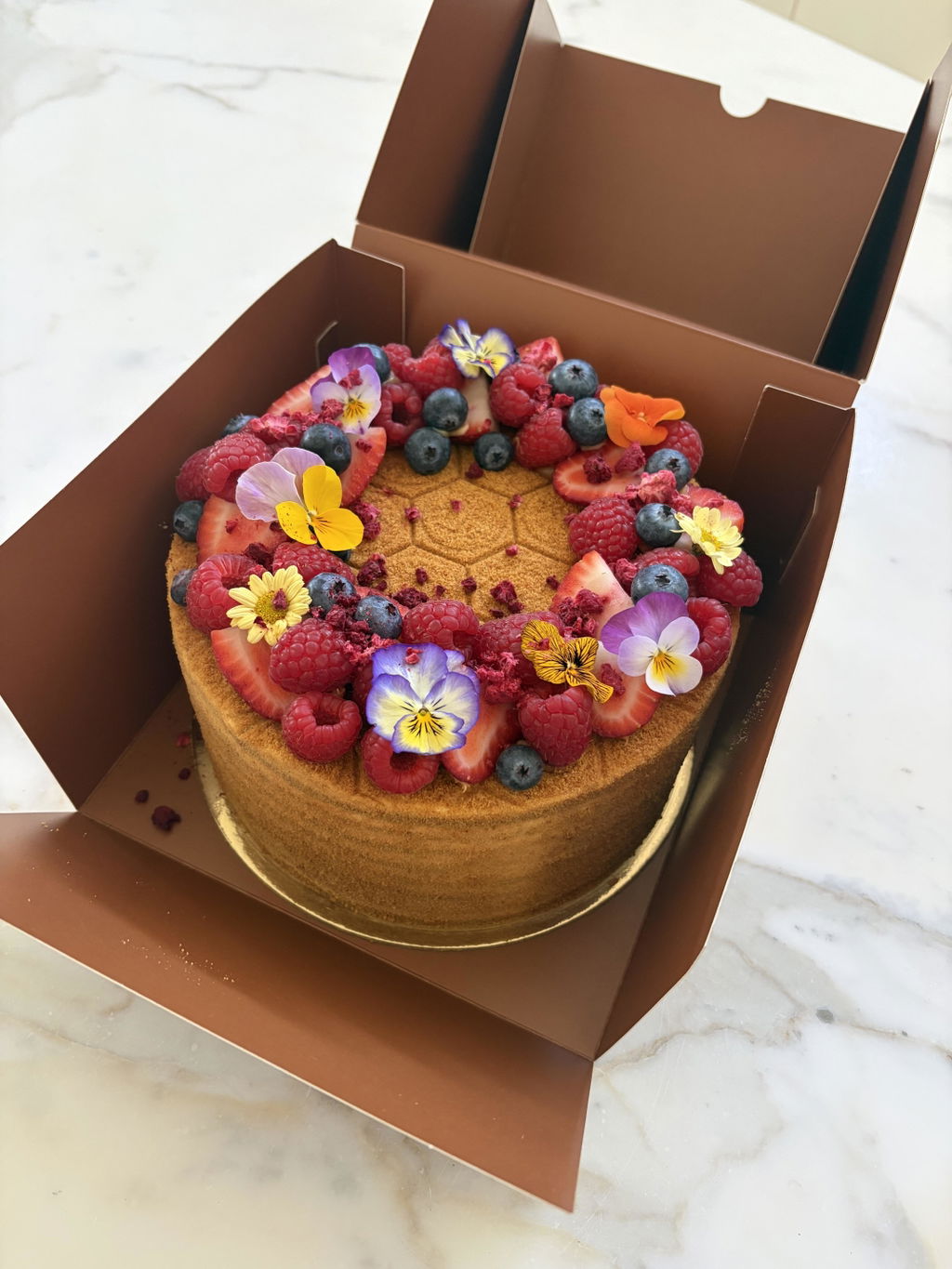
Walk into any Eastern European bakery and you will find a towering, multi-layered honey cake known as Medovik. For decades, a charming narrative has dominated food blogs and menus: a young 19th-century royal chef baked it for Empress Elizabeth of Russia, who instantly fell in love with the dessert despite hating honey. It is a beautiful story, but culinary history tells a completely different tale.
Despite this widespread theory of an imperial Russian court origin, the exact recipe for the modern, layered honey cake did not appear in any 19th-century imperial cookbooks. In fact, for generations, it existed strictly as an unwritten, domestic recipe passed down through families.The dessert made its official, written debut much later.
The very first time the definitive modern formula for the cake appeared in a mainstream cookbook was in 1957. It was published in Ukrainian Dishes (Українські страви), a Soviet-era culinary volume printed in Kyiv.While honey-based baking has deep, shared roots across the region, it was this Ukrainian SSR publication that finally codified the legendary layers of sour cream and honey biscuits.
Following its publication, culinary pioneers like Darya Tsvek popularised the dessert, turning it into a cross-border phenomenon. So, while the royal myth captures the imagination, it is 20th-century Ukrainian printing that ultimately captured the recipe for the world.